
“Why Visit Our Booth!” Posts Miss the Entire Point
I see the same LinkedIn posts every time a major industry show approaches.
“Excited to be at [SHOW NAME] next week! Visit us at booth 2847!”
“Can’t wait to see everyone at [EVENT]. Stop by and say hi!”
“We’ll be showcasing our latest solutions at booth 1634. Come check it out!”
And I always ask the same question. Why?
Why would I visit your booth? What problem does visiting solve for me? What happens at booth 2847 that doesn’t happen at the other 500 booths I could visit instead?
The answer is rarely in the post. Because most companies treat the booth as the end goal instead of infrastructure that feeds a larger system.
They’re spending $10,000+ on booth space, travel, and materials to get handshakes with people who have no idea why they should care. Then they wonder why conversion rates are terrible.
This series walked through four failure points that cause manufacturers to lose prospects after trade shows. The QR code that goes nowhere. The research communities where you don’t exist. The AI tools that don’t cite you. The follow-up that fights for attention in a crowded inbox.
But all of those are symptoms of a bigger problem. You’re building backwards.
The $10K+ Validation Test You’re Running Unprepared
Most manufacturers approach tradeshows like this.
Six months out, someone decides which shows to attend. Budget gets approved. Booth space gets booked.
Three to four months out, booth design gets finalized so it can be constructed, printed, and shipped on time.
Two months out, someone starts thinking about what to showcase. New product? Existing capabilities? Whatever generated buzz last year?
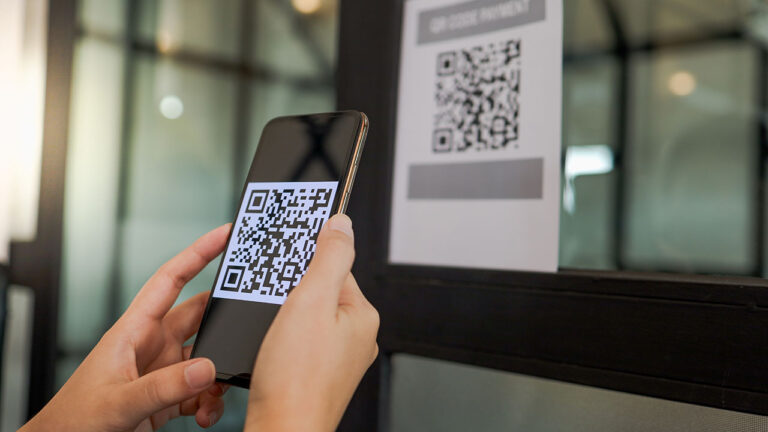
One month out, marketing creates some handouts. Someone builds a QR code that probably goes to the homepage.
Week of the show, the team flies out, sets up, works the booth for four days, collects badge scans, flies home.
Then comes follow-up. Emails. Calls. Waiting to see what converts.
Here’s what nobody talks about. That tradeshow booth is the most expensive validation test you’re going to run all year.
You’re spending $10,000+ to see if prospects care about what you’re offering. You’re burning days of your technical team’s time to demonstrate solutions and answer questions. You’re collecting hundreds of contacts from people who expressed at least minimal interest.
And you’re running this validation test without building any of the infrastructure that would make the results meaningful.
When prospects scan your QR code and land on your generic homepage, you’re testing whether they care enough to hunt through your navigation to find what you just showed them. Most don’t. That’s not a failure of the product. That’s a failure of infrastructure.
When they go back to their office and research you on Reddit or ask AI which vendors to consider, you’re testing whether your digital presence exists where they’re actually looking. If it doesn’t, that’s not a failure of your capabilities. That’s a failure of infrastructure.
When your follow-up email lands in their inbox alongside five other vendors they also met at the show, you’re testing whether you’ve done anything to differentiate yourself beyond the 10-minute conversation at the booth. If you haven’t, that’s not a failure of your sales team. That’s a failure of infrastructure.
The booth investment should be validating whether your complete system works. But most companies are using it to validate whether the booth itself generates interest. Those are completely different tests.
What Should Exist Before You Book the Booth Space
If you’re spending $10,000+ on a tradeshow, here’s what should already be true about your digital infrastructure.
Prospects who Google your company name should find you easily. Not just your homepage. Useful content. Technical resources. Answers to questions they’re actually asking. If you’re not showing up when someone searches “[your company] vs [competitor]” or “[your product category] for [specific application],” the booth can’t fix that.
Your website should be accessible to both humans and AI crawlers. Screen readers, keyboard navigation, properly structured content, schema markup that helps AI understand what you actually do. This isn’t separate from search optimization. It’s the same foundation. If prospects using assistive technology can’t navigate your site, if AI tools can’t parse your content to cite you, the booth doesn’t solve that either.
You should have some presence in the research communities where your prospects ask questions. Not promotional spam. Actual technical participation. Someone from your team answering questions on Reddit or industry forums because they genuinely know the subject matter. This takes months to build credibility. The booth can introduce you to prospects, but it can’t manufacture trust they could have been building through community presence.
Your key product documentation should exist as web content, not just PDFs. The spec sheets you’re handing out at the booth should already be published on your website as accessible, searchable content. When prospects scan your QR code, they should land on information that’s structured for easy reading and discovery. Offer the PDF as a download option if they want it, but don’t make a 40-page PDF the only way to access critical information on mobile.
If none of this exists, the booth is expensive lead generation with no infrastructure to convert those leads. You’re collecting contact information from people who will research you, find nothing useful, and move on to competitors who did build the infrastructure. And this only makes the marketing and sales teams that can’t convert the leads look bad.
The Pre-Show Work That Makes the Difference
Let’s say you’ve got a booth booked for a show happening in three months. Here’s what you should be doing now instead of waiting until two weeks before the show to think about it.
Audit what prospects will find when they research you. Not what your website says. What actually shows up when someone searches for you on Google, Reddit, industry forums, or asks ChatGPT, Claude, or Perplexity about vendors in your category. Check Google’s AI Overviews. If the answer is “not much” or “generic company homepage,” you’ve got work to do.
Build show-specific landing pages now. One page for each major solution you’re showcasing, with clear information about what it does, who it’s for, technical specs, comparison data, and next steps. Create unique QR codes for each page. Test them. Make sure they actually work on mobile devices. This takes days, not hours, so build in enough time.
Identify the most common questions prospects ask at tradeshows. Not the questions you wish they’d ask. The actual questions. “How does this integrate with [common system]?” “What’s the maintenance requirement?” “How long is implementation?” “What’s your lead time?” Build FAQ content that answers these questions with schema markup that helps AI cite you. When prospects leave your booth and ask ChatGPT these same questions later, you want to be the source AI references.
Start building presence in research communities if you haven’t already. Three months isn’t enough time to establish real authority, but it’s enough to start. Someone technical on your team should be participating in relevant Reddit communities or industry forums, answering questions, being helpful. Not promoting. Just demonstrating expertise. When prospects research you after the show, community presence validates credibility in ways your own marketing can’t.
Map out your follow-up sequence before the show, not after. What happens the day after someone scans your QR code? Three days later? One week? Two weeks? What value are you providing at each touchpoint that isn’t just “checking in” or “following up”? Build this sequence before the show so you’re not scrambling to figure out follow-up while you’re exhausted from working the booth.
Many companies skip these steps or treat them as nice-to-haves. They book the booth, show up, work hard for four days, then wonder why the ROI was disappointing. The booth didn’t fail. The infrastructure that should have existed before the booth never got built.
During the Show: What You Should Actually Be Tracking
You’re at the show. Booth is set up. Traffic is good. Conversations are happening. What should you be paying attention to beyond the immediate interactions?
Which QR codes are actually getting scanned. You should have different QR codes for different materials. Product sheet A, demo station B, booth banner C. Track what people are interested in, not just that they scanned something. This tells you what to emphasize in follow-up and what content is actually resonating.
What questions keep coming up. If five different prospects ask the same technical question you don’t have a good answer for, that’s content you should be creating. Document these questions in real-time. They’re gold for building your FAQ content and schema markup after the show.
Who your competitors are and what they’re emphasizing. Walk the floor. See what other vendors are showcasing. Listen to their pitches. Check their QR code destinations. This isn’t competitive intelligence for the sake of it. This is understanding what prospects are comparing you to when they research after the show.
Which prospects are doing serious research versus casual browsing. The person who asks detailed technical questions, requests specific documentation, and wants to know about implementation timelines is different from the person who takes a brochure and moves on. Flag the serious prospects for priority follow-up, but don’t ignore the casual browsers. They might be early in their research process, which means they’re exactly who needs to find you in community forums and AI citations later.
The booth shouldn’t be where your research ends. It should be where your research about what prospects care about gets validated or corrected.
After the Show: Infrastructure Validation, Not Just Follow-Up
You’re home. Badge scans are imported. Follow-up sequence is running. Now what?
This is where most companies stop. They track email open rates, response rates, meetings booked. They measure ROI based on how many leads converted to opportunities.
But if you built the infrastructure correctly before the show, you should be measuring something else. Did the system work?
Did your QR codes drive meaningful engagement? Look at time on page, what people clicked, what resources they downloaded. If people scanned your QR code and immediately bounced, your show-specific landing pages aren’t working. Fix that before the next show.
Are prospects finding you in research communities? Set up Google Alerts for your brand name and key products. Monitor Reddit and industry forums for mentions. Are community members recommending you in threads where you’re not even participating? That’s the signal that your community presence is building authority.
Are AI tools citing you when prospects ask about your category? Actually test this. Ask ChatGPT, Perplexity, Claude which vendors to consider for your specific solutions. If you’re not showing up in those results, your schema markup and content structure need work.
What’s the quality of your follow-up responses? Not just the quantity. Are prospects saying “tell me more about what you showed at the booth” or are they saying “we’ve done our research and we’re ready to discuss implementation”? If your infrastructure is working, your follow-up should be reaching prospects who already understand what you do and are further along the buying journey.
The tradeshow booth is expensive validation of whether your complete system works. If it doesn’t, you’re not just wasting the booth investment. You’re wasting every opportunity that booth could have generated.
This Is Infrastructure, Not a Checklist
The point of this series wasn’t to give you five tactics to implement after tradeshows. It was to show you that tradeshows don’t work in isolation.
The booth gets you handshakes. Your digital infrastructure determines whether those handshakes turn into pipeline.
Companies that treat tradeshows as standalone events will terrible ROI. They’ll blame the show, the booth location, the traffic, the leads. But the problem isn’t the show. The problem is the infrastructure that should exist before, during, and after the show doesn’t exist.
Building this infrastructure isn’t a campaign. It’s not something you do for three months and then stop. It’s foundational work that makes every marketing dollar you spend more effective.
After the tradeshow, prospects research you on Reddit, ask AI tools, and check your website. If your digital infrastructure isn’t set up to support that research process, your follow-up emails and your entire marketing engine are fighting uphill. We help manufacturers build that foundation. Accessible websites, proper schema markup, content that gets cited by AI. That’s what we do at SANscript.
The companies winning complex B2B deals aren’t the ones with the biggest booth budgets. They’re the ones who built the infrastructure that makes the booth investment actually work.